How Physical Therapy Speeds Up Recovery After Injury
Posted On: January 30, 2026 by Robert Matijevich
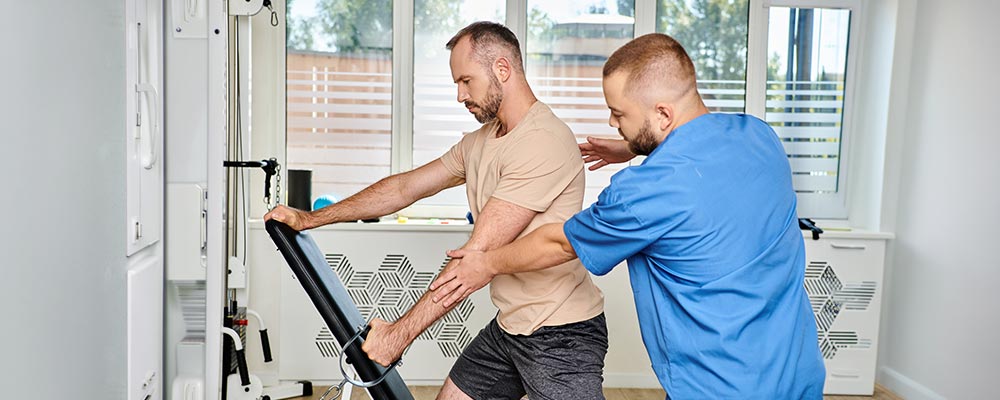
Different injuries can happen to anyone. Some people get injured while playing sports, and others at work. Sometimes a person can simply fall on their doorstep. In the US, injuries account for over 150,000 deaths and over 3 million non-fatal injuries per year. Therapists can help! It’s a way to restore mobility, increase strength, and reduce discomfort. It accelerates recovery. Patients return to their daily and sport activities. A licensed specialist prescribes exercises and different manual techniques to promote rapid healing. Recovery physical therapy addresses the root cause of the problem and improves overall body function. Let’s describe it in detail!
What Is Physical Therapy Recovery?
These great exercises help return someone to normal after an injury. But modern physical therapy has evolved into something more powerful. It considers the psychological barriers and social factors that influence recovery. Therapists optimize biomechanical efficiency while addressing behaviors rooted in fear of re-injury that can limit progress.
The Main Benefits of Physical Therapy
It Builds Strength
Loss of strength is a common consequence of injuries and surgeries. Resistance exercises restore muscle mass and endurance without placing undue stress on healing tissue.
They improve muscle tone, joint stability, and coordination. Strengthening surrounding muscles provides support to injured areas and reduces the risk of re-injury. PT restores the strength needed to heal.
Physical Therapy Exercises for Recovery: Restore Mobility after Injuries
Ankle sprains, torn ligaments, or fractures are common. Immobility can develop quickly, especially if the injured area isn’t used correctly during recovery. Physical therapy for injuries includes gentle stretching, controlled movements, and strength exercises. This restores joint and muscle function, improves flexibility, and prevents long-term stiffness.
A physical therapist assesses a patient’s condition and develops a plan. Early initiation of PT reduces the risk of secondary injuries. Such injuries often occur when a person spares one body part and overuses another. Regular exercise regains patients’ confidence in their movements.
Physiotherapy Triggers Neuromuscular Adaptations
These adaptations help with recovery and athletic performance.
Intensive functional training induces structural and metabolic changes in muscles, improving muscle strength.
Physical Therapy Reduces Pain without Medication
Many people associate recovery with painkillers. There is another way. Therapeutic exercises, manual techniques, ultrasound, and electrical stimulation reduce inflammation, relieve muscle tension, and improve circulation. All this relieves pain. Medications sometimes just mask the symptoms. PT stimulates healing. Therapists work on painful areas. PT promotes the release of endorphins. They reduce discomfort. And patients achieve faster recovery and avoid the medications’ side effects.
Injury Prevention through Physical Therapy Techniques
Poor posture, muscle weakness, and incorrect movement patterns contribute to recurring injuries or delayed healing. Physical therapy teaches proper lifting, walking, stretching, and exercise techniques.
PT Supports Postoperative Healing
The body needs support to restore strength, flexibility, and function after surgery. Physical therapy stimulates tissue repair and restores mobility. Without it, scar tissue can form abnormally, joints can become stiff, and muscles can weaken. This often delays recovery or leads to complications. The therapist will monitor your pain level, swelling, and functional improvements. A specialist works with the medical team to create a plan.
PT Improves Balance and Coordination
Poor balance and coordination hinder recovery. These exercises help the body regain control and confidence in movement. Therapists use balance platforms, gait training, stability exercises, and proprioceptive training. It trains the brain and muscles to work together. Older patients at risk for falls, athletes, and people recovering from leg or back injuries will appreciate these exercises.
It Improves Blood Circulation for Faster Recovery
Physical therapy increases circulation through movement and manual techniques. Your heart works more efficiently. It delivers oxygen and nutrients to tissues that need repair. Therapists use massage, compression, or heat therapy. It stimulates blood flow. Improved circulation reduces swelling, minimizes stiffness, and flushes toxins from the body. Physical therapy improves cardiovascular health and physical performance.
Individualized Recovery Plans in Physical Therapy
PT offers personalized recovery plans. A licensed physical therapist evaluates your specific condition, health history, and lifestyle and develops a treatment program. Exercises, therapeutic methods, and the pace of progress are aligned with your body’s recovery.
How Does Early Active Rehabilitation Improve Concussion Treatment?
Physical therapy has transformed concussion treatment. The days of prescribed complete rest are gone. The 6th International Consensus on Concussion in Sport now recommends initiating supervised exercise within 24-48 hours of injury.
Patients who begin early, condition-appropriate physical activity recover from symptoms more than four days faster than those who only rest. This active recovery approach maintains cardiovascular fitness, preventing the deconditioning that often accompanies prolonged rest.
A Safe Return to Sports after ACL Reconstruction
Systematic reviews identify six key factors for a triumphant return:
- Achieve quadriceps strength symmetry of at least 90%.
- Demonstrate a single-leg jump distance comparable to the uninjured limb.
- Develop psychological readiness for reintegration into sport.
- Resolve joint effusion.
- Restore a full, pain-free range of motion.
- Complete sport-specific agility tests.
This approach gets you back into the game, reduces the risk of re-injury, and improves performance.
Overcome Fear-based Behavior Patterns
One-third of athletes avoided sport-specific movements due to fear of re-injury. This pattern limits performance even after physical healing. Physiotherapy helps overcome these fears. Graded exposure therapy gradually introduces complex movements in a controlled environment. This develops the patient’s physical abilities and psychological confidence.
How Does Cognitive-Perceptual Training Sharpen Athletic Intelligence?
PT now includes cognitive-perceptual training. It challenges athletes to maintain technical skills under cognitive load. Concussion treatment protocols include dual-task exercises. Patients perform memory tasks while performing balance exercises. This approach improves the ability to make quick decisions when performing complex physical tasks.
Technology Improves Physical Therapy for Injury Recovery and Performance
APTA data shows that nearly 87% of patients are satisfied with virtual physical therapy services. Remote monitoring tools enable real-time biomechanics analysis, allowing therapists to adjust rehabilitation programs based on data from wearable devices that track ground reaction forces, joint angles, and movement patterns.
Frequently Asked Questions (FAQ)
- How many sessions will I need?
Answer: It’s highly individual. A personalized plan is created after your initial evaluation.
What to expect: The total duration depends on your diagnosis, goals, and progress. Treatment can range from a few weeks for minor issues to 6+ months for major surgery rehab. - Will PT be painful?
Answer: PT should not cause sharp or severe pain. We differentiate between safe muscular discomfort and harmful joint pain.
What to expect: It’s okay to feel muscle fatigue or a stretching sensation. It’s not okay to feel sharp, stabbing, or worsening pain. - Can PT help me avoid surgery?
Answer: In many cases, yes. PT is a powerful conservative treatment that can eliminate the need for or delay surgery.
What to expect: PT is often effective for pain from weakness, imbalance, arthritis, or certain injuries. For complete tears or fractures, surgery may still be necessary.
Conclusion
Physical therapy today combines precision progressive exercise, an understanding of neuromuscular and metabolic processes, and attention to psychological preparedness.
Mossy Creek Rehab brings this progressive approach to life. Proper recovery is a movement toward greater strength, resilience, and performance. We help build a foundation for long-term health. Our team is waiting for you. We’ll help you move forward again with confidence and strength!