Posted On: May 27, 2026 by Robert Matijevich
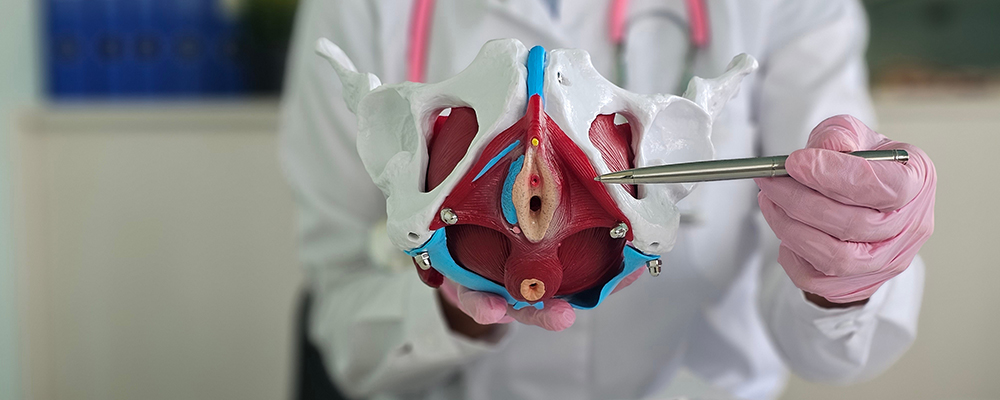
The pelvic floor is the grouping of muscles and tissue that supports the organs in the pelvis consisting of the bladder, bowel and internal reproductive organs. Your pelvic floor muscles stretch from your pubic bone in the front of your body to your tailbone in the back. These muscles act as a hammock to hold these organs in place and help you control your bowel and bladder function. Healthy pelvic floor muscles squeeze and relax automatically to coordinate removal of waste.
Pelvic floor dysfunction can result from a variety of conditions. Pelvic floor muscles can weaken as a result of injury or trauma such as childbirth or surgery (hysterectomy or prostatectomy). They can become stressed from overuse (repeated heavy lifting or straining to go to the bathroom). Hormonal changes during menopause and the natural aging process can also cause weakening. Weakening of the pelvic floor can lead to incontinence or even pelvic organ prolapse.
Signs and symptoms of pelvic floor dysfunction can include: leaking urine when laughing/ coughing/ sneezing/lifting, frequent urge to urinate, inability to hold your urine, chronic constipation, difficulty controlling bowel movements and flatulence.
Just like any muscle in the body, the pelvic floor muscles can be retrained and strengthened. Pelvic floor physical therapy can help you to learn to activate your pelvic floor correctly and slowly improve your muscular control. Medication management can also help with cases of chronic constipation or urinary frequency in overactive bladder. Lifestyle modifications can also help manage mild pelvic floor dysfunction and can include adjusting your fluid intake, establishing a bowel and bladder routine, consuming less food or drinks that irritate the bladder such as caffeine and artificial sweeteners, eating more foods containing fiber and increasing levels of physical activity.
Many people don’t feel comfortable talking about personal topics like pelvic floor disorders and symptoms such as incontinence, but these are actually very common medical problems that can be treated successfully. Talking to your doctor about treatment options can help decrease worries around bathroom habits and improve your quality of life.



 865-262-9044